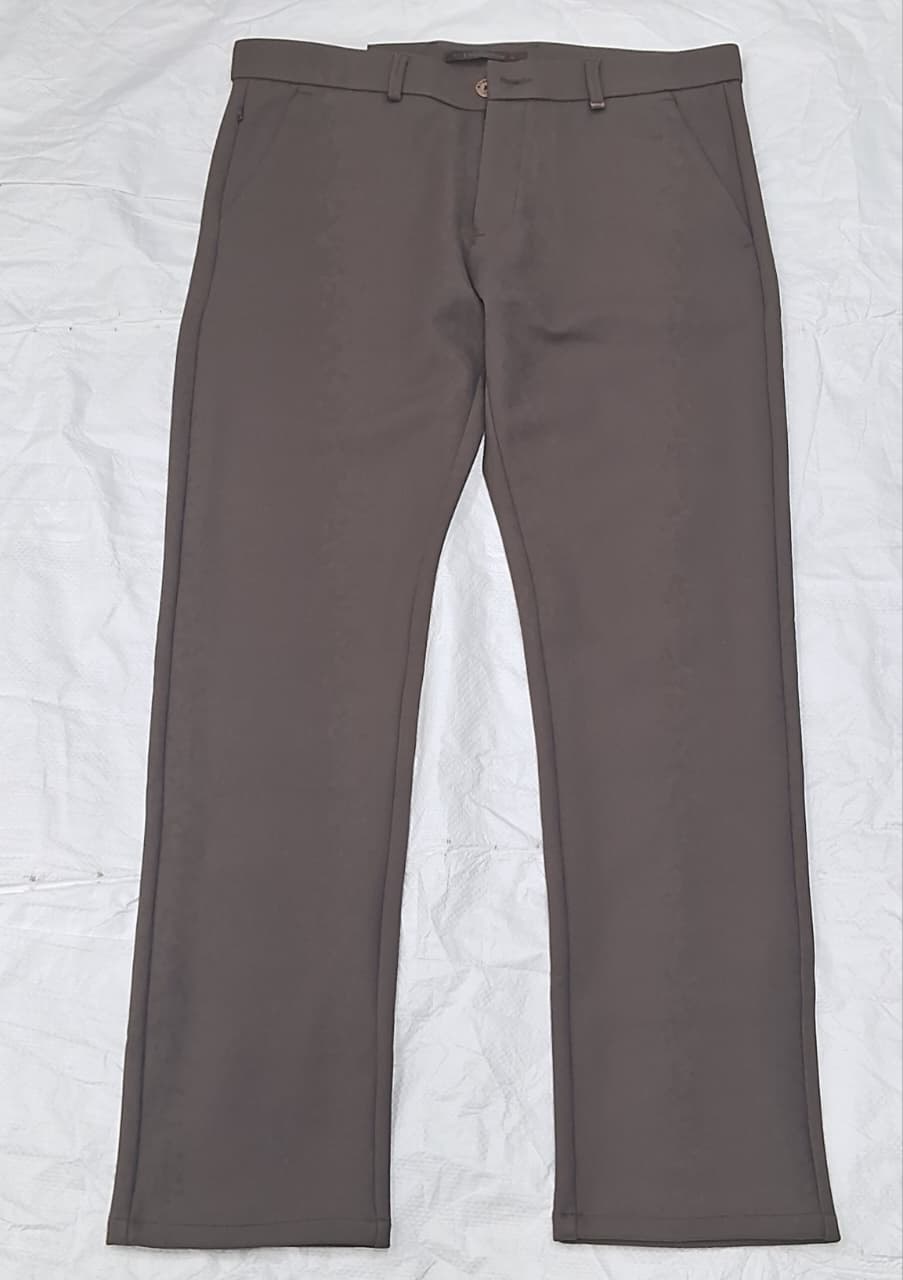
The Proportion Project Study 04 · Waist & Details
+91 83693 81345

Waist &Detailsa construction archive of men's formal trousers

Eleven details, catalogued like specimens. Each one is small; together they decide whether a trouser looks considered or careless.

We describe what each element does and how it affects the appearance of formal pants. We do not speculate about how specific garments were manufactured.

× A-01 Waistband
× A-02 Belt loops
× A-07 Pockets
× A-09 Hem
ArchiveA-01

Waistband

The waistband is the structural foundation of a formal trouser. It is a separate band of cloth, usually reinforced on the inside, that holds the trouser at a fixed level on the body. A firm waistband keeps the waist from rolling, keeps a tucked shirt neat and gives the belt a stable base.

Visually, the waistband is the horizontal line that divides torso from leg. Its height on the body — the rise — affects how long the legs appear. Many formal trousers extend the waistband into a tab that fastens beyond the fly, creating a cleaner front.
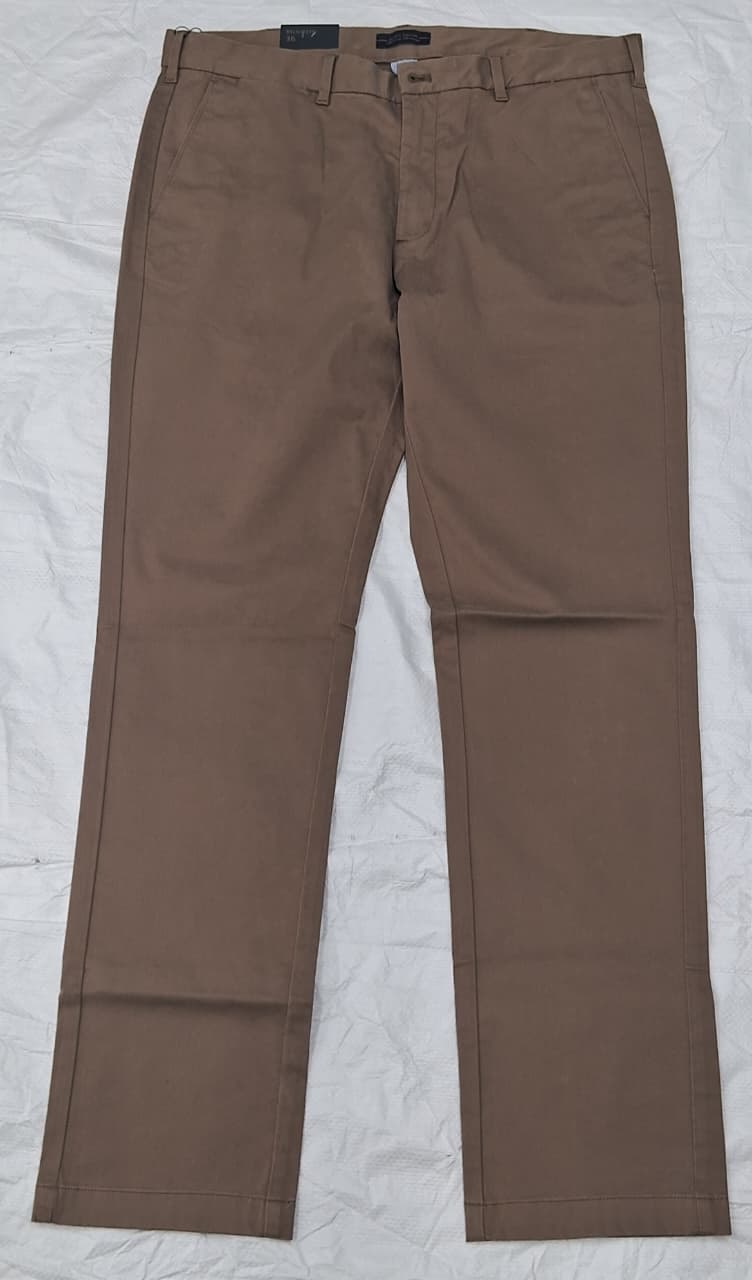
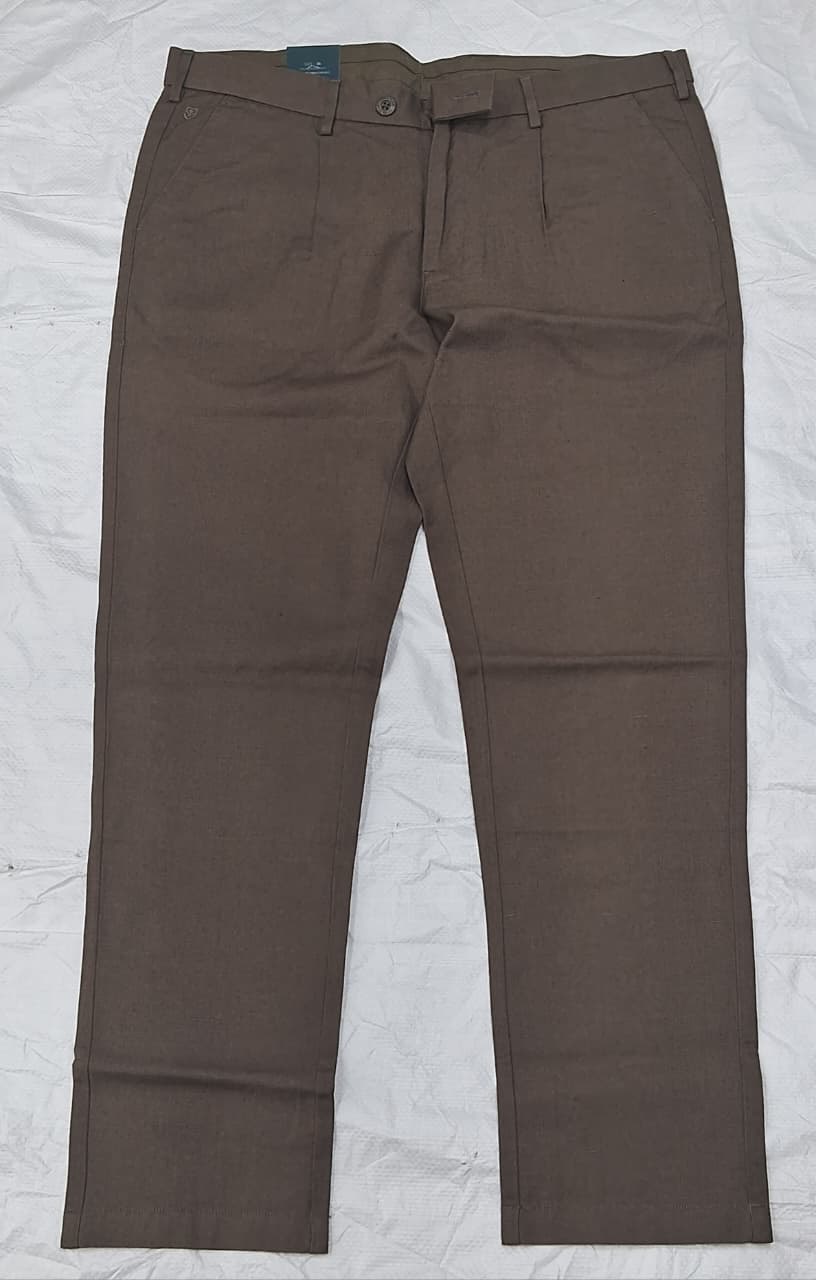
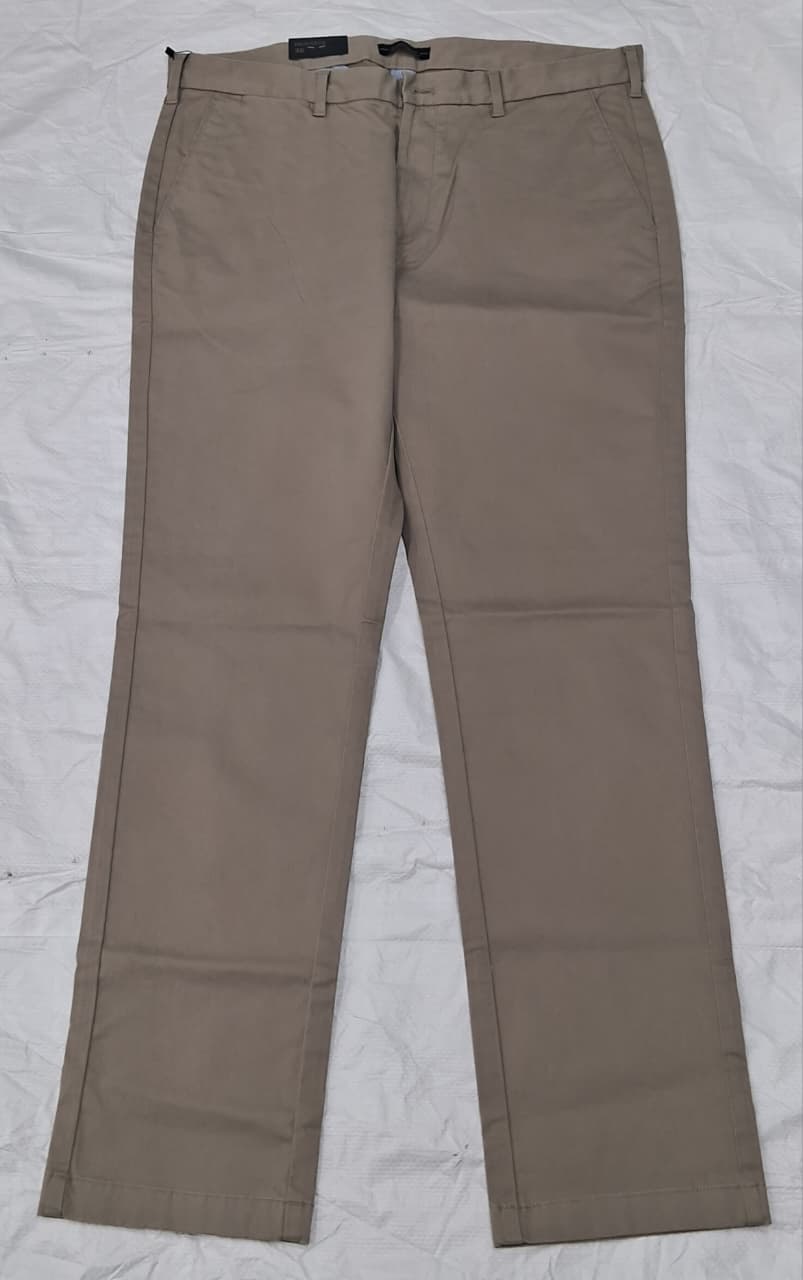
Tan men's formal trousers laid flat showing the waistband and front closure
A-01 — The waistband reads as a clean horizontal; the tab extends past the fly.
ArchiveA-02

Belt loops

Belt loops are narrow strips stitched to the waistband to hold a belt in place. Their number, width and spacing are small decisions with visible effect: slim, evenly placed loops frame a dress belt neatly, while wide or uneven loops look casual.

On formal trousers, loops are usually placed so that the belt sits flat across the front and back without twisting. A belt whose width suits the loops looks intentional; a belt that is too wide or too narrow looks borrowed.

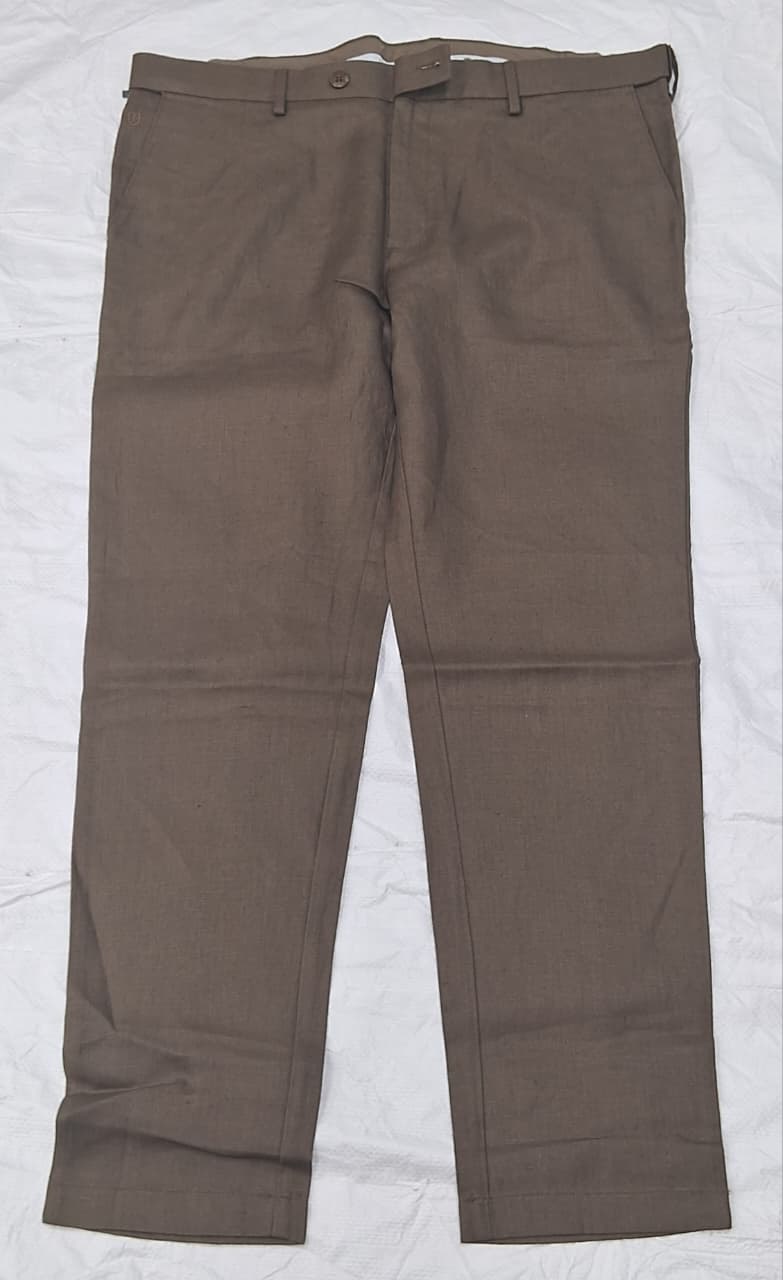
Brown men's formal trousers laid flat showing belt loops along the waistband
A-02 — Evenly spaced loops frame the belt.
ArchiveA-03

Pleats

Pleats are folds of fabric stitched into the waistband on each side of the fly. A single pleat adds a little room; a double pleat adds more. Forward pleats open towards the fly, reverse pleats towards the pockets. In both cases the inner pleat usually continues into the front crease, so the fold and the crease read as one line.

Pleats affect appearance in three ways. They add vertical lines at the waist, they create visual and physical volume through the hip and thigh, and they change how the trouser moves — a pleated front opens when you sit and closes when you stand.

Flat-front trousers omit pleats entirely. The trousers photographed in this archive are all flat-fronted, so pleats are described here and illustrated as technical drawings on the opening study and in Trouser Forms.

When choosing pleats, fit matters more than ever. A pleat should lie closed when standing; if the waist or hip is too tight, the pleats are pulled open and the front looks strained.

ArchiveA-04

Front fastening

The front fastening — the fly — is the opening at the centre front of the trouser, usually closed with a zip concealed beneath a stitched fabric flap. On formal trousers the fly should be completely invisible when closed: the flap lies flat, the stitching curves smoothly at the base, and nothing gapes.

A fly that bulges or pulls is often a sign that the trouser is too tight at the hip or seat rather than a fault in the fly itself.

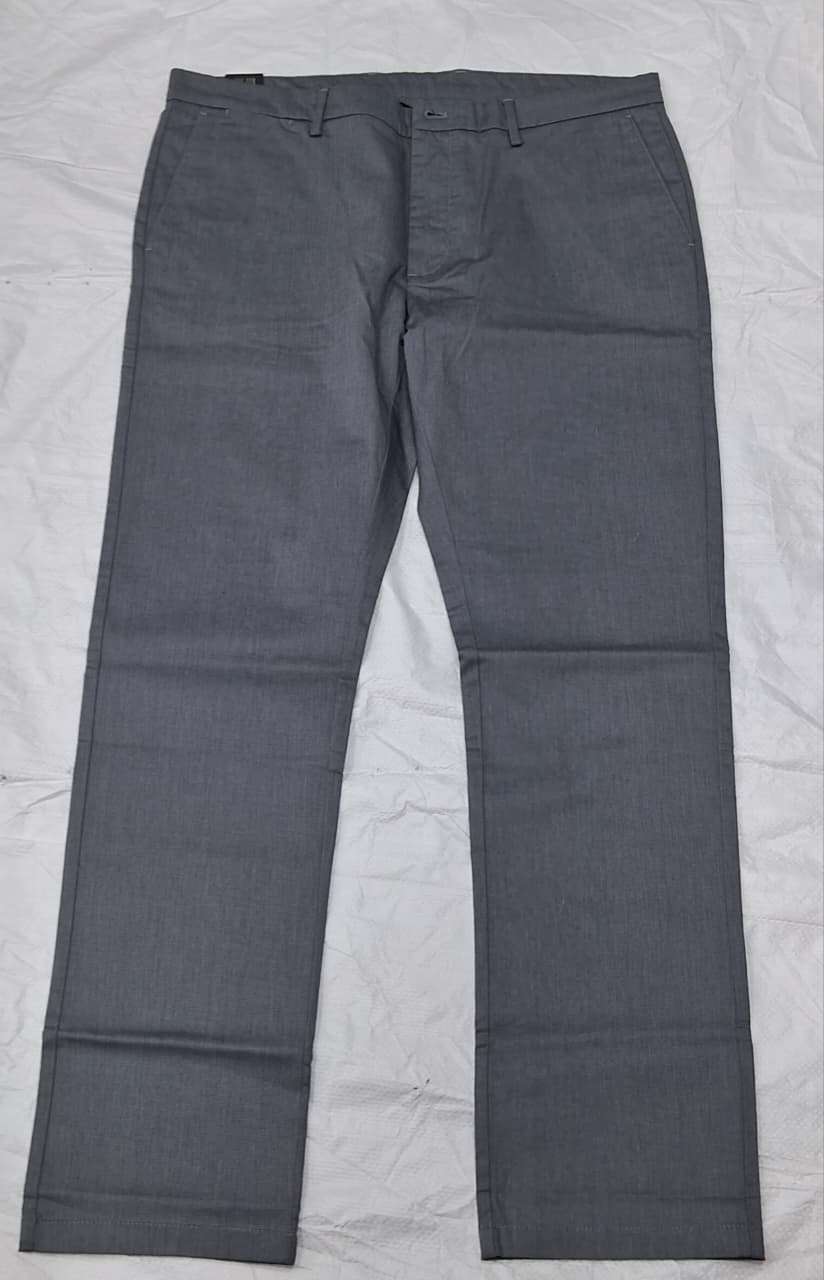
Blue-grey men's formal trousers laid flat showing a flat fly front
A-04 — A flat fly: the line disappears into the front panel.
ArchiveA-05

Buttons

On formal trousers, buttons appear in a few specific places: at the waistband closure, sometimes on an extended tab, and on back pockets. Their role is mostly functional, but they are also small visual punctuation marks.

Good trouser buttons are discreet. They usually match or tone with the cloth so that they do not interrupt the line of the waistband. On a clean, flat-front trouser, a single visible waistband button can be the only hardware on show — which is why it matters that it sits flat and centred.

Some trousers also have internal buttons for braces (suspenders), sewn inside the waistband. These are invisible when a belt is worn but allow an alternative way of holding the trouser at the waist.

ArchiveA-06

Hooks

Many formal trousers fasten at the waistband with a hook-and-bar closure: a flat metal hook on one side that slides into a bar on the other. Because both parts lie flat, the closure holds the waist securely without the bulk of a button.

Hook closures are often combined with an internal button, so the waistband is secured at two points. The result is a waistband that stays straight and level throughout the day, with nothing visible on the outside.

Diagram of a hook-and-bar closure on a waistband HOOKBARWAISTBAND — INSIDE VIEW
ArchiveA-07

Pockets

Formal trousers usually have two side pockets and one or two back pockets. Side pockets are commonly slanted — cut on an angle from the waistband towards the side seam — which makes them easy to use and keeps the hip line smooth. Vertical side-seam pockets are an even cleaner alternative.

Back pockets on formal trousers are usually jetted: a narrow slit finished with fine strips of cloth, sometimes with a button. They sit flat and are meant for light use; a full wallet distorts the seat.

The most useful fit test of all involves pockets: if side pockets flare open when you stand, the trouser is too tight across the hip.

Brown men's formal trousers laid flat showing slanted front pockets
A-07 — Slanted side pocket lying closed.
ArchiveA-08

Creases

The pressed front crease is the defining line of a formal trouser. It runs down the centre of each leg, from just below the waistband (or from the inner pleat) to the hem, and it does more visual work than any other detail: it adds a vertical, lengthens the leg and signals care.

A crease should fall over the centre of the knee and the centre of the shoe. If it drifts to one side, the trouser twists — usually a sign of a fit or pressing problem. A crease is also the clearest difference between formal trousers and chinos, which are often worn without one.

Grey-brown men's formal trousers laid flat showing a sharp front crease down each leg
A-08 — The crease as a vertical line through the leg.
ArchiveA-09

Hem

The hem is the finished bottom edge of the trouser and the place where length is decided. Formal trousers are most often finished with a plain hem; turn-ups (cuffs) are a more traditional option that adds weight at the bottom of the leg and helps it hang.

Some hems are cut slightly longer at the back than the front, so the trouser covers more of the heel while keeping a clean line over the shoe. Whatever the finish, the hem should be level and sit where you intend — see Why trouser length matters.

Taupe men's formal trousers laid flat showing the hem at the leg opening
A-09 — A plain, level hem.
ArchiveA-10

Stitching

Stitching on formal trousers is designed to be quiet. Seams should be straight and flat, with no puckering along the side seams or around the waistband. Visible topstitching — common on casual trousers — is usually minimal on formal ones, limited to the fly and perhaps the pocket edges.

Well-executed stitching is noticed only when it is missing: a puckered seam or a wandering line along the leg catches the eye immediately and breaks the clean surface that a formal trouser depends on.

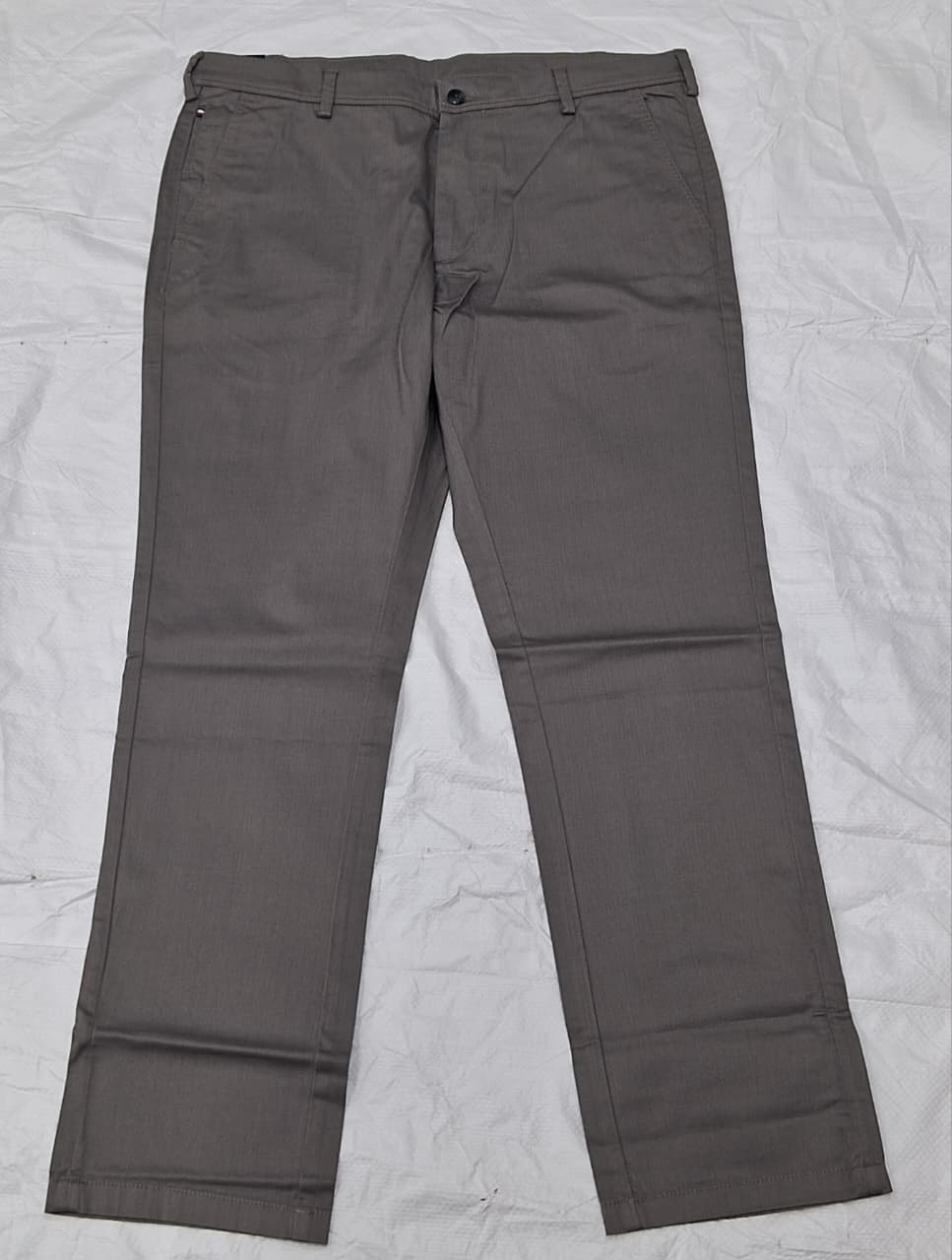
Taupe-grey men's formal trousers laid flat showing clean seams and stitching
A-10 — Quiet stitching along the waistband and fly.
ArchiveA-11

Finishing

Finishing is everything that happens after the trouser is assembled — and everything that keeps it looking right afterwards. It includes the final press that sets the crease, the neatness of inside seams and waistband lining, and the way the trouser is cared for between wears.

What good finishing looks like

  • A crease that is sharp, centred and symmetrical on both legs.
  • A waistband that lies flat, inside and out.
  • Pockets that close without gaping.
  • A hem that is level all the way round.

Keeping it that way

Hang formal trousers by the hem or folded along the crease, give them time to rest between wears, and follow the care instructions on the label. A well-finished trouser that is cared for will keep its proportions far longer.

Archive closed

Details are decisions

Every element in this archive either supports the trouser's line or interrupts it. When you look at formal pants, start at the waistband and read downwards: band, loops, fly, pockets, crease, hem. If each detail is quiet and correct, the whole garment will look composed.

Details are only half the story. The cloth those details are made from shapes the trouser just as much — which brings us to the Fabric Research room.