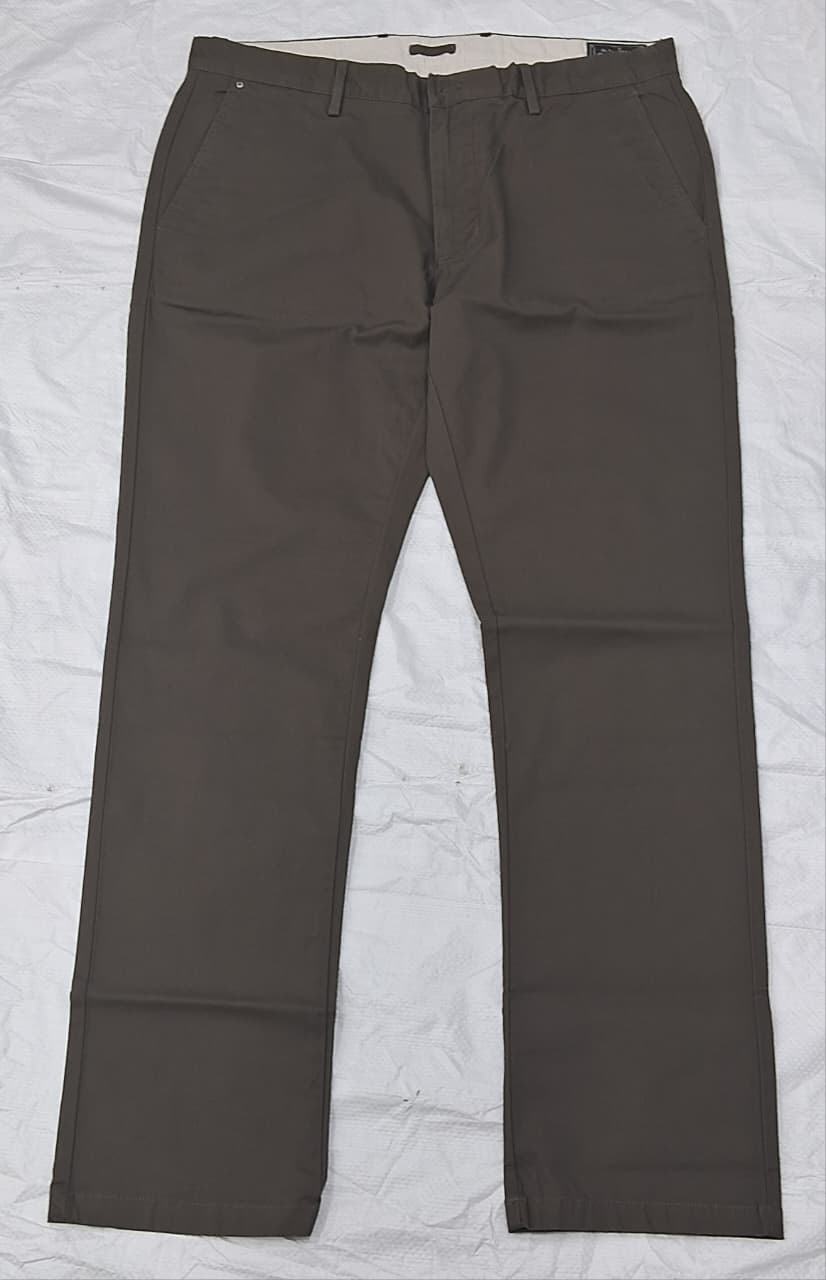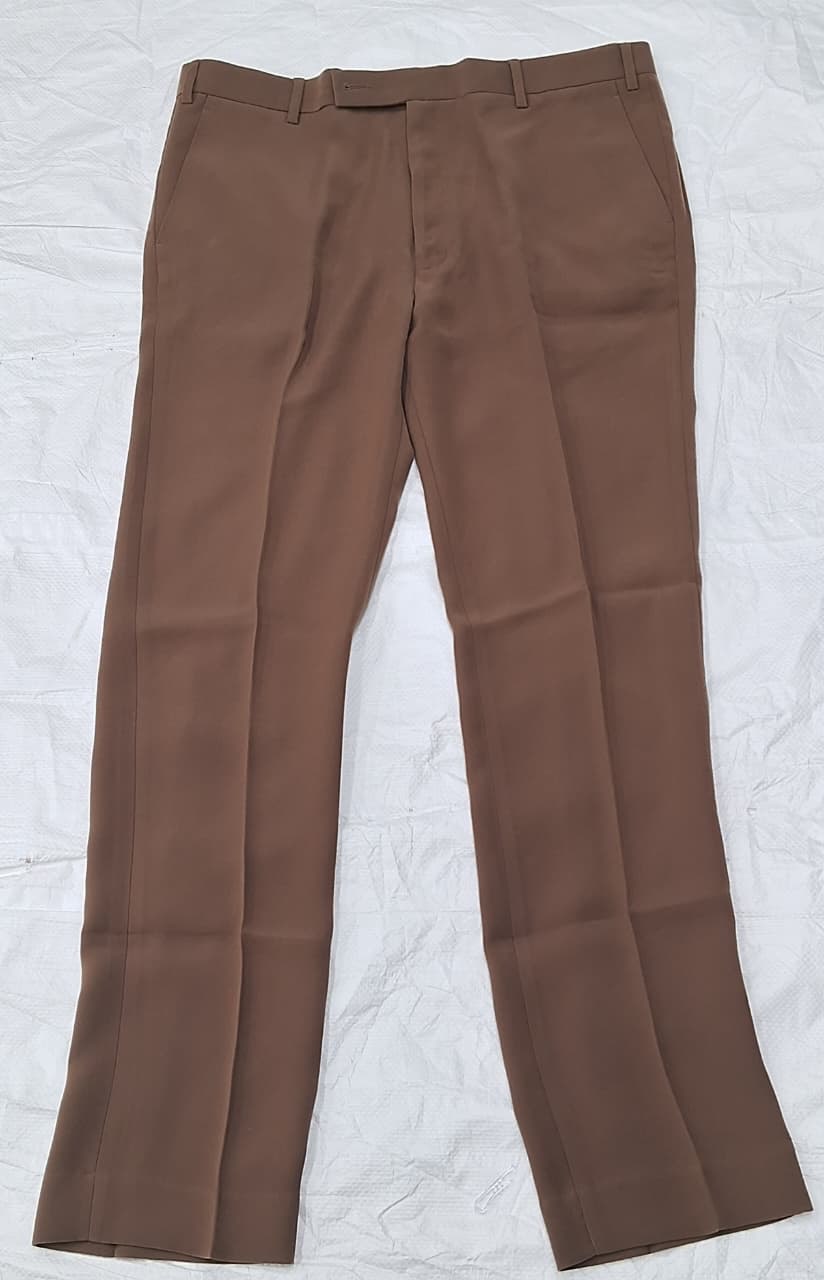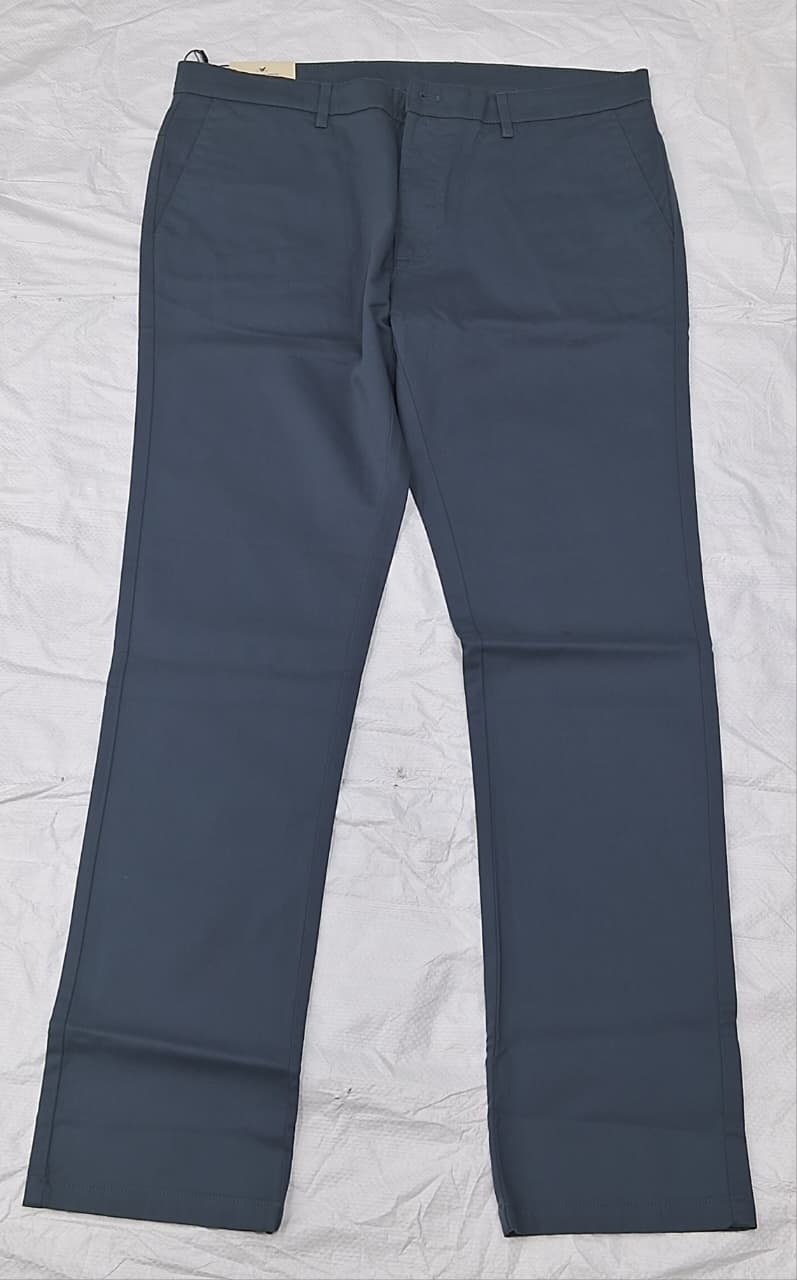
The evolution of men's formal pants
From knee breeches to slim tailoring and back to pleats: a short history of how the formal trouser found its shape — and why it keeps changing.
From breeches to trousers
Until the late eighteenth century, fashionable European men wore knee breeches with stockings. Long trousers existed, but they were associated with working men, sailors and soldiers. Over the early nineteenth century that association changed. Full-length trousers — at first close-fitting and often strapped under the foot — moved into polite dress, and by the middle of the century they had replaced breeches for everyday wear.
The change was significant because it created the long, uninterrupted line from waist to floor that still defines menswear. Everything since has been a refinement of that line.
The crease and the turn-up
By the late nineteenth and early twentieth centuries, two details had become fixtures. The pressed front crease gave each leg a sharp vertical and became a sign of a well-kept trouser. The turn-up, or cuff, added weight at the hem and became common on less formal trousers. Belts gradually replaced braces as the usual way of holding trousers up, and belt loops became standard.
Volume, then restraint
The twentieth century swung between fullness and slimness. Mid-century tailoring favoured high waists, pleated fronts and generous legs. Later decades brought narrower, flat-fronted trousers, then a return to fuller, pleated cuts, and later still a long period of slim, low-rise tailoring.
Today: choice
The contemporary moment is defined less by one silhouette than by choice. Slim, tailored, straight and relaxed shapes coexist; pleats have returned alongside flat fronts; rises vary from mid to high. What remains constant is the importance of proportion — the balance between waist, leg and hem that the formal trouser has been negotiating for two centuries.