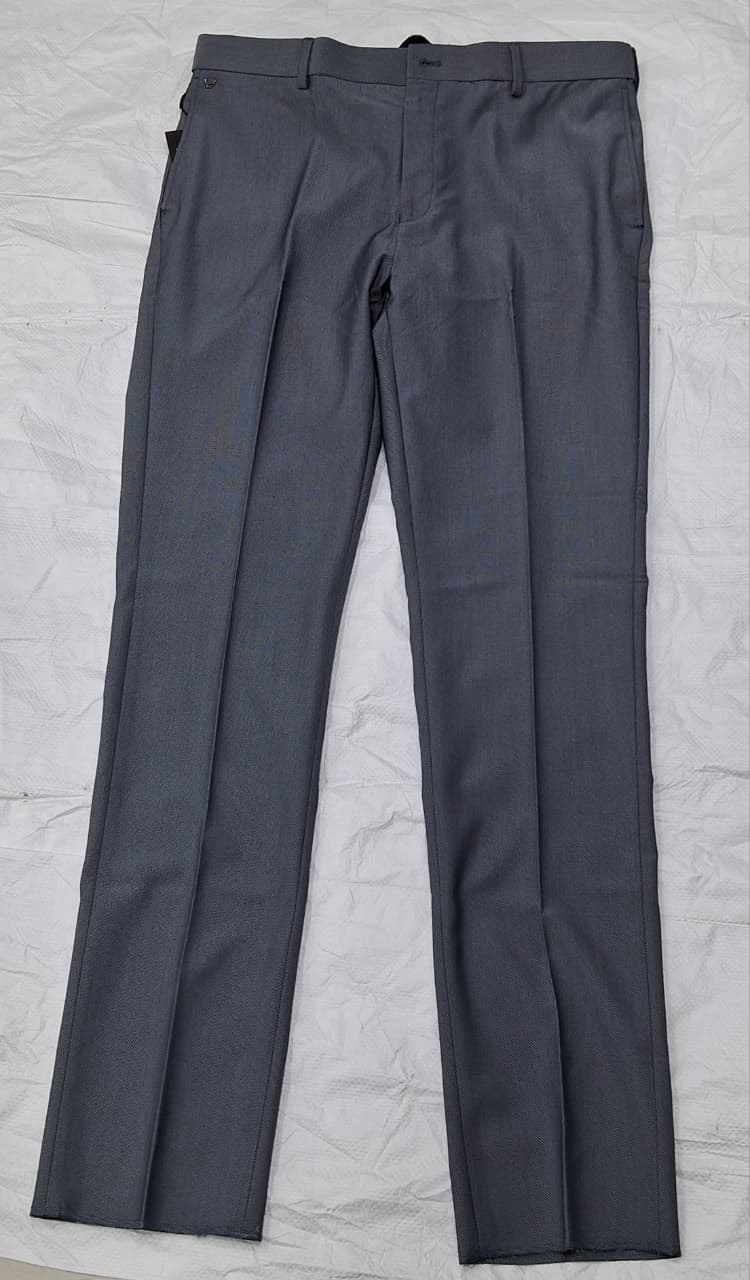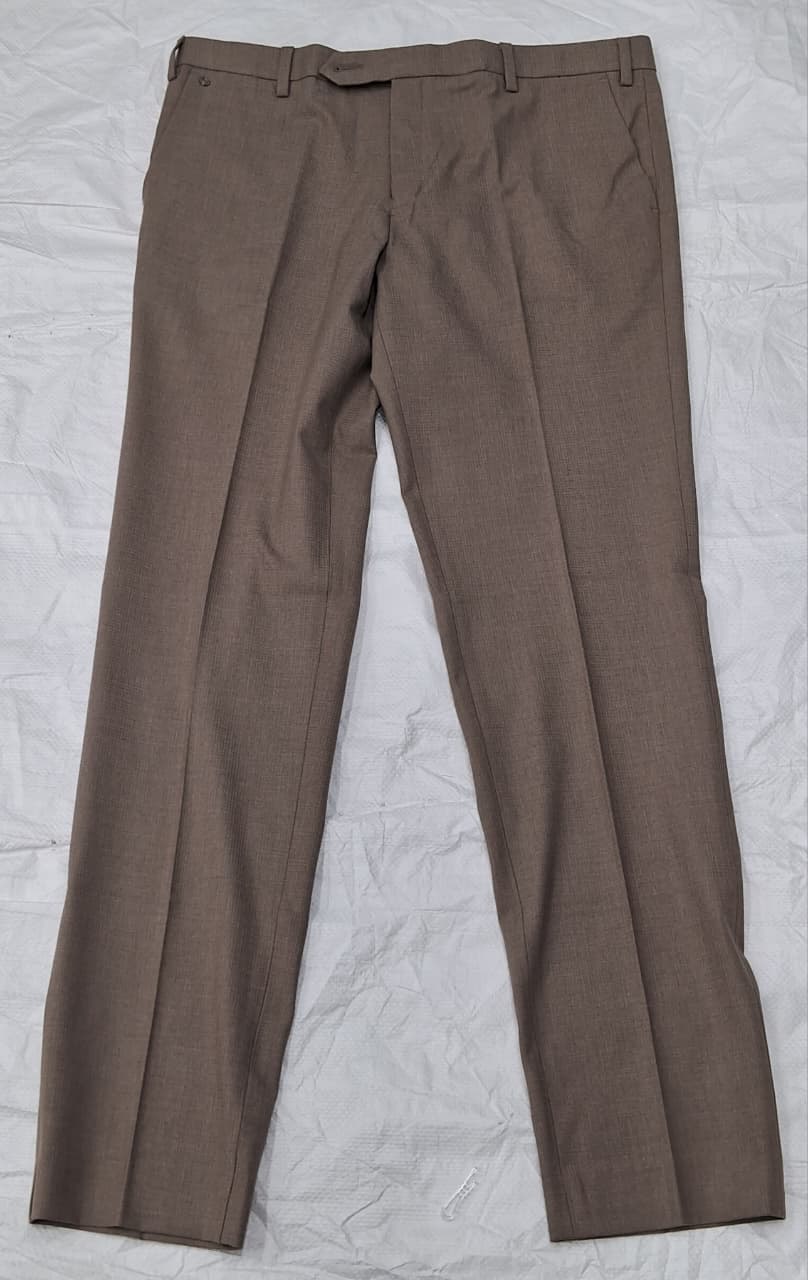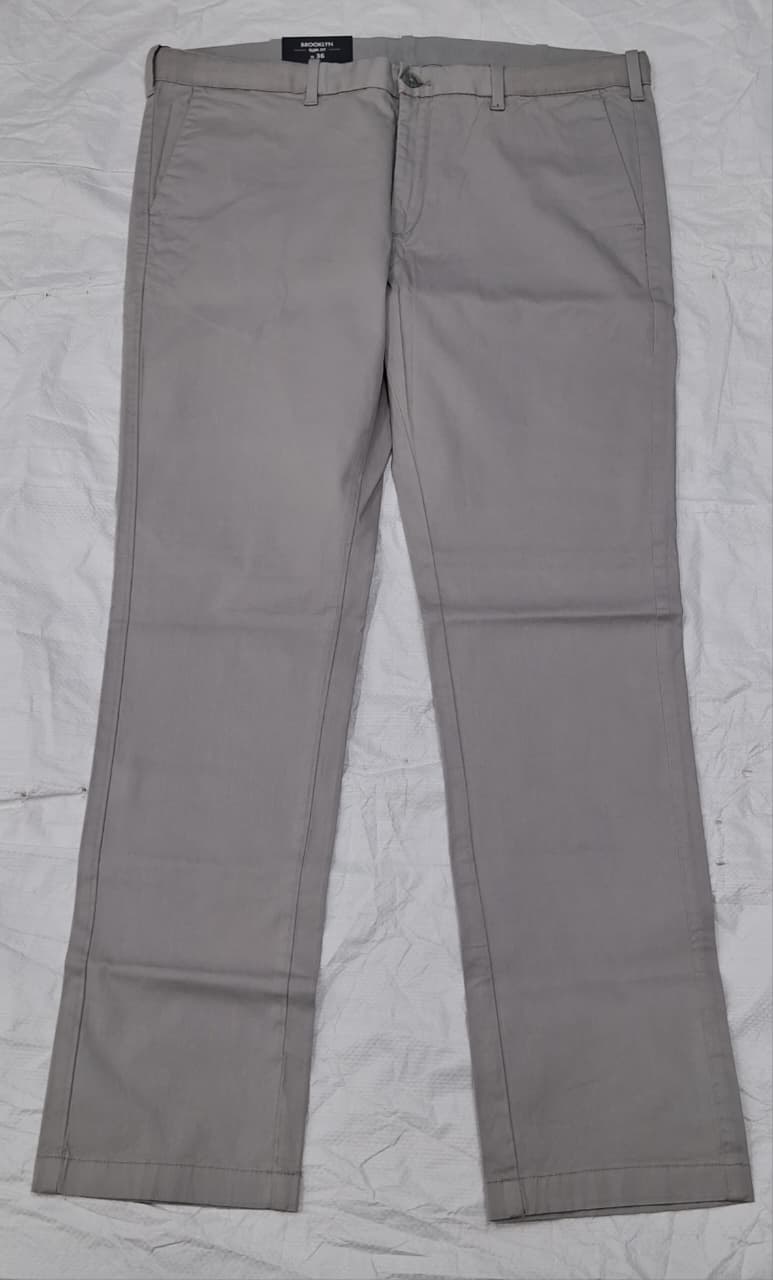
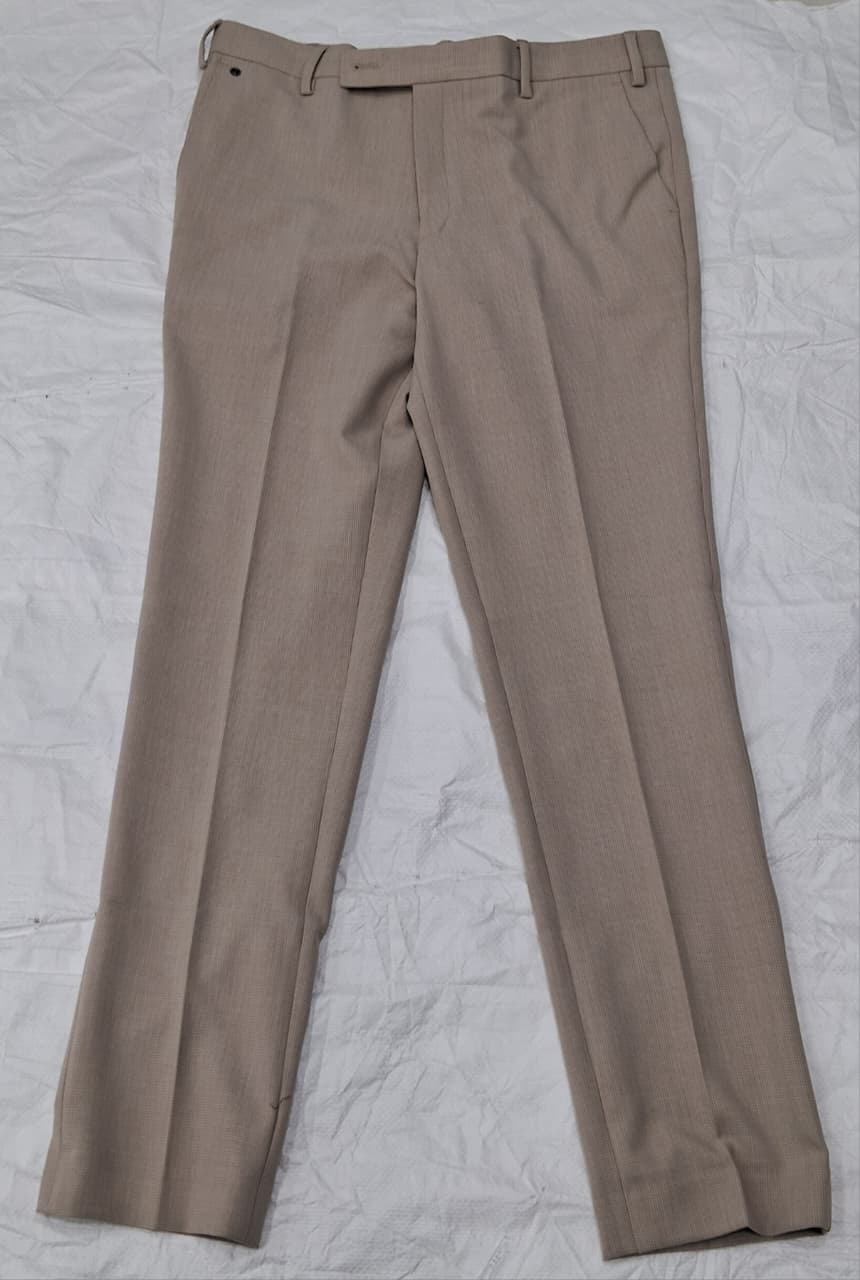
Thesis — Evolution
The formal trouser is a two-hundred-year experiment in line.
For most of the eighteenth century, a gentleman's legs were dressed in knee breeches and stockings. Over the early decades of the nineteenth century, full-length trousers moved from working and military dress into fashionable wardrobes, and by the middle of the century they had become the standard for men across Europe and beyond.
Everything that has happened since is a series of adjustments to the same basic garment: where the waist sits, how much cloth runs through the thigh, how wide the hem is and how sharply the front is pressed. Each era has chosen its own balance — and each choice has been a statement about how men wanted to look.
Understanding that history makes contemporary choices easier. A slim, flat-front trouser and a fuller, pleated one are not right and wrong; they are two answers to the same question, each with its own logic.